Sicily in 5 Days: A Fast-Paced Itinerary From Palermo to Taormina
Sicily is Italy’s - and the Mediterranean’s - largest island, and there’s no realistic way to see all of it in 5 days. What you can do is hit a genuinely great cross-section of it: a Norman cathedral town, a clifftop medieval village, a UNESCO valley of Greek temples, a baroque island city, an active volcano, and a cliffside resort town. This is the fast-paced route we ran, day by day, with the practical details you’d want if you’re building a similar trip.
Day 1: Palermo and Monreale
We flew into Palermo, in the northwest corner of the island, and picked up a rental car right at the airport.
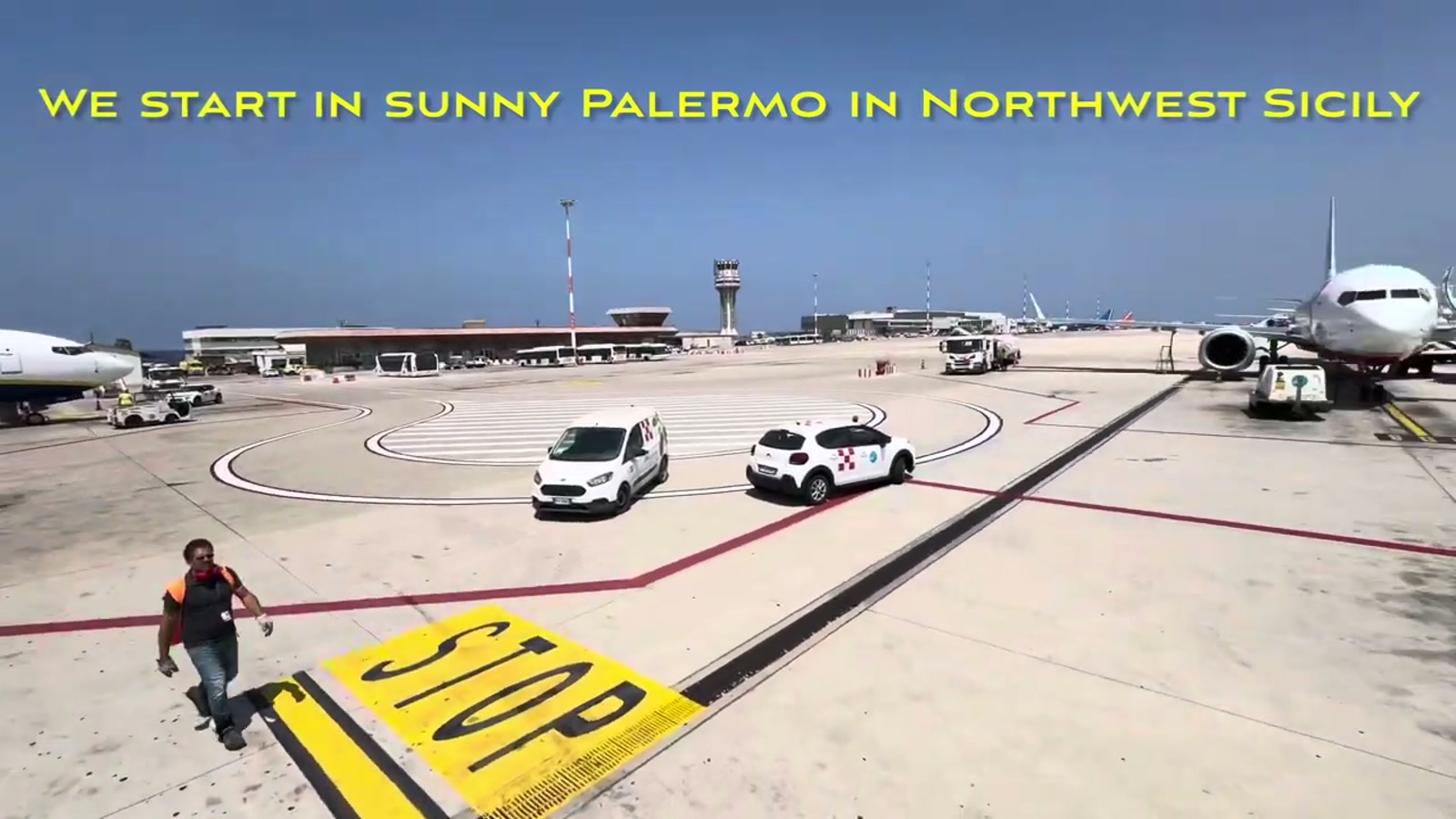
The drive from the airport up to Monreale takes about 30 minutes, and it’s worth doing right away - we chose to base ourselves in an apartment in a Palermo neighborhood rather than Monreale itself, which worked fine given the short drive between the two.
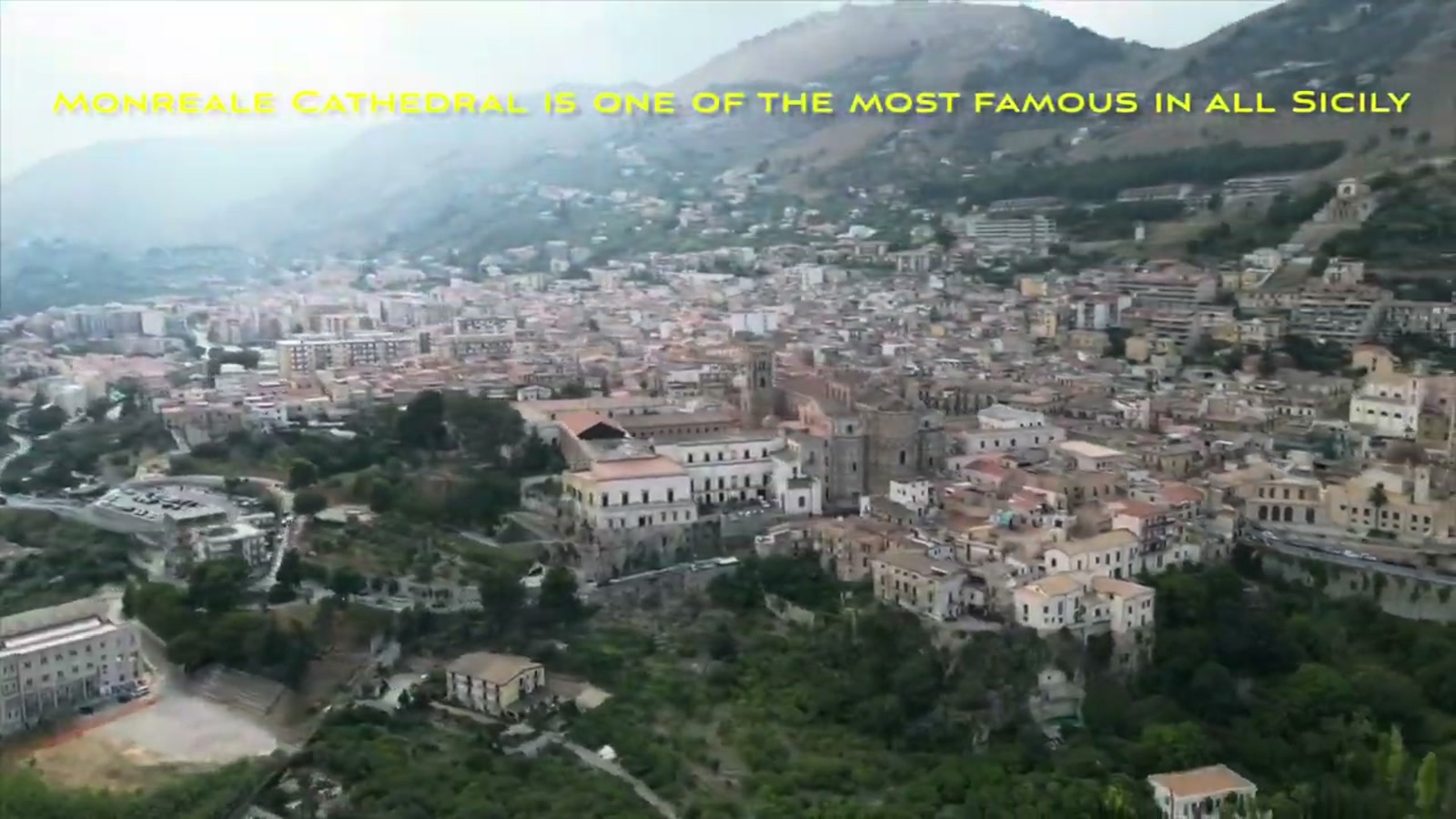
Monreale Cathedral is one of the most famous churches in all of Sicily, and the hilltop town it sits in is worth the trip on its own for the views back down over Palermo.
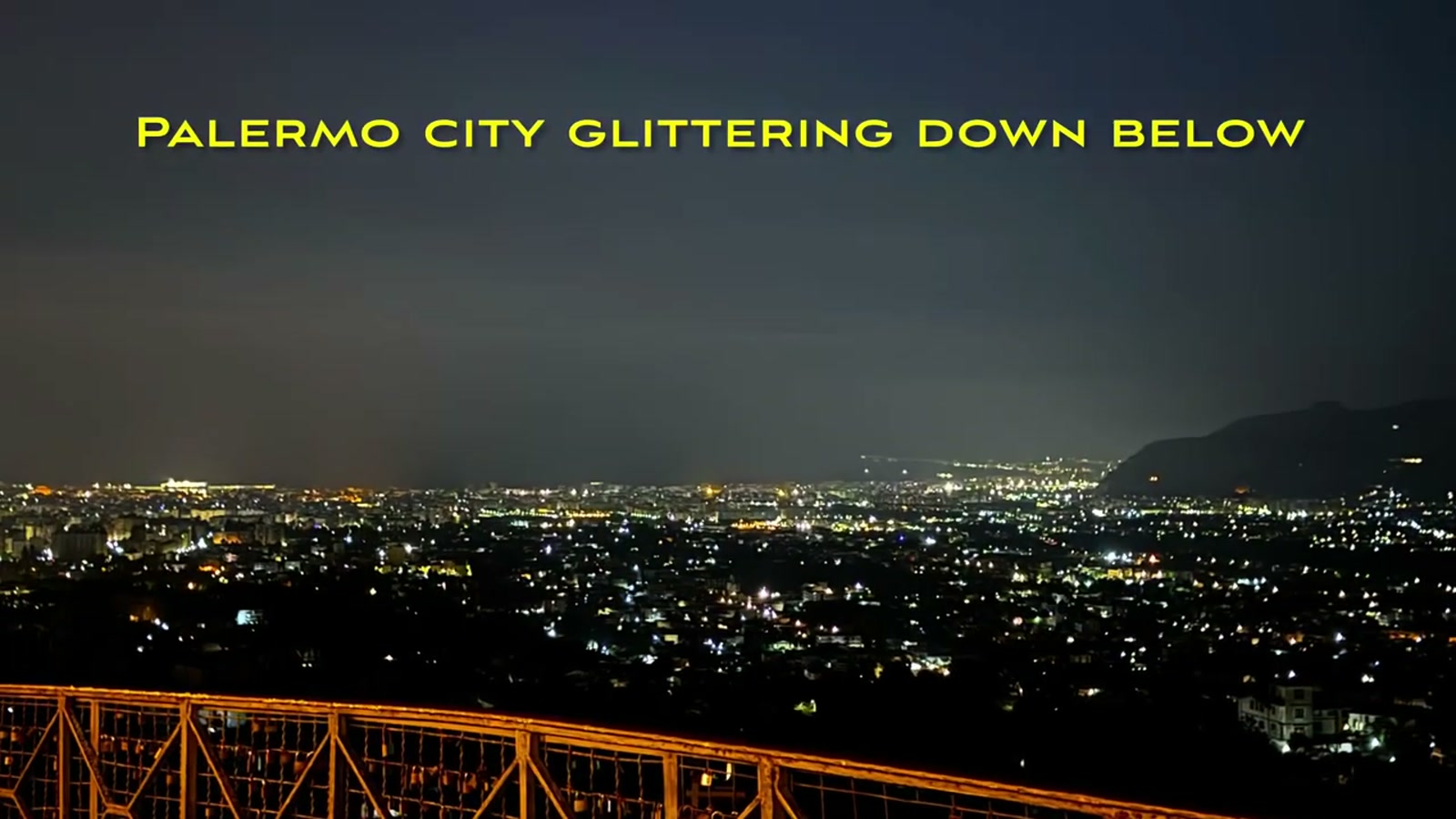
For dinner, look for one of the many hilltop restaurants - we had Palermo city glittering down below us as the sun went down, and it turned into one of the best dinner views of the whole trip.
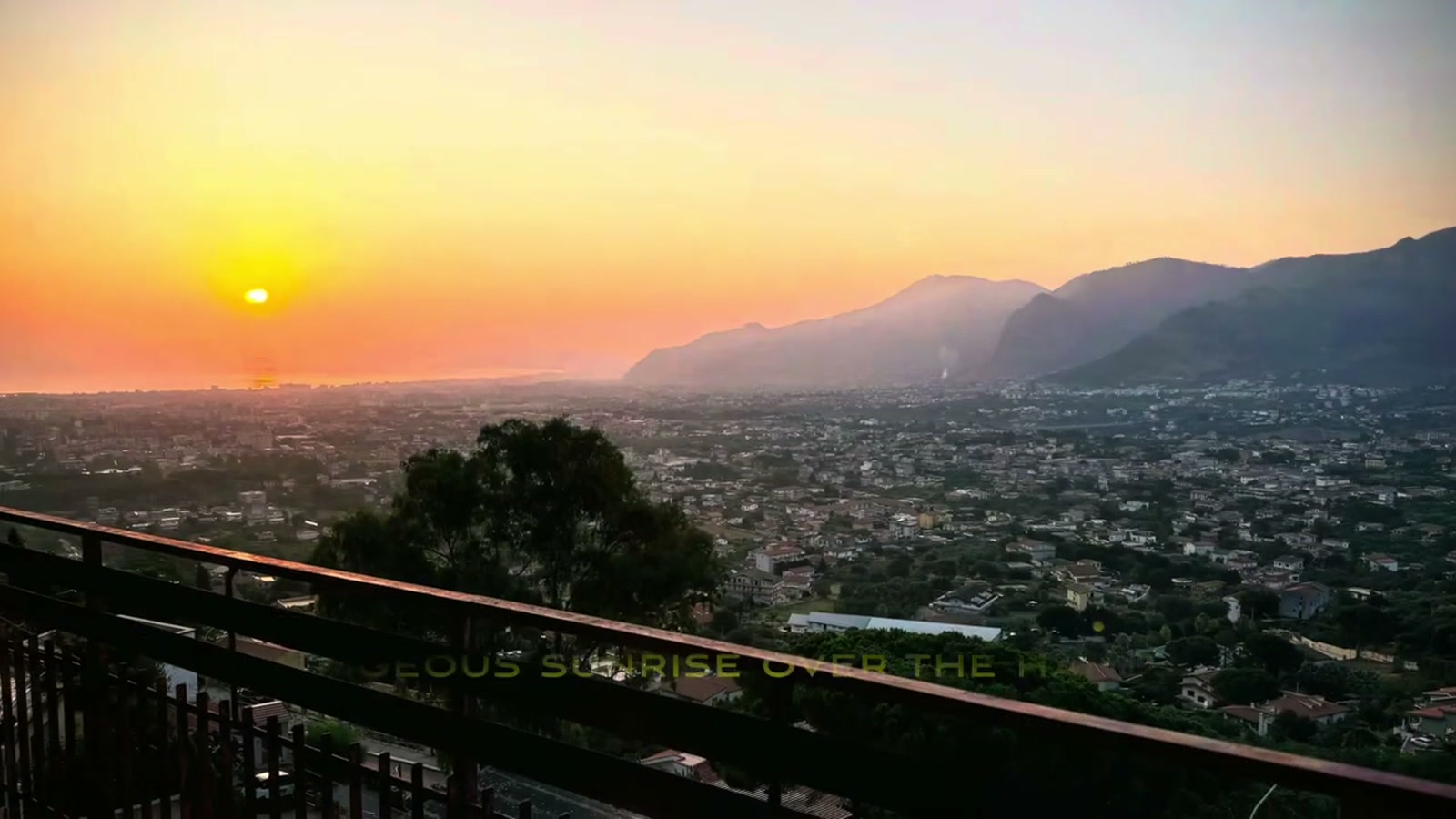
If you’re an early riser, a gorgeous sunrise over the harbour the next morning made getting up worth it.
Day 2: Erice
Erice is a clifftop medieval village above the port city of Trapani, and it’s a full day trip from the Palermo area - budget a good chunk of the day for the winding roads up.
You have two options for the final ascent: drive up to the village directly, or take the more “touristy” but fun cable car (the Funivia Erice) from Trapani. Tickets for the cable car can be bought online in advance to skip the line.
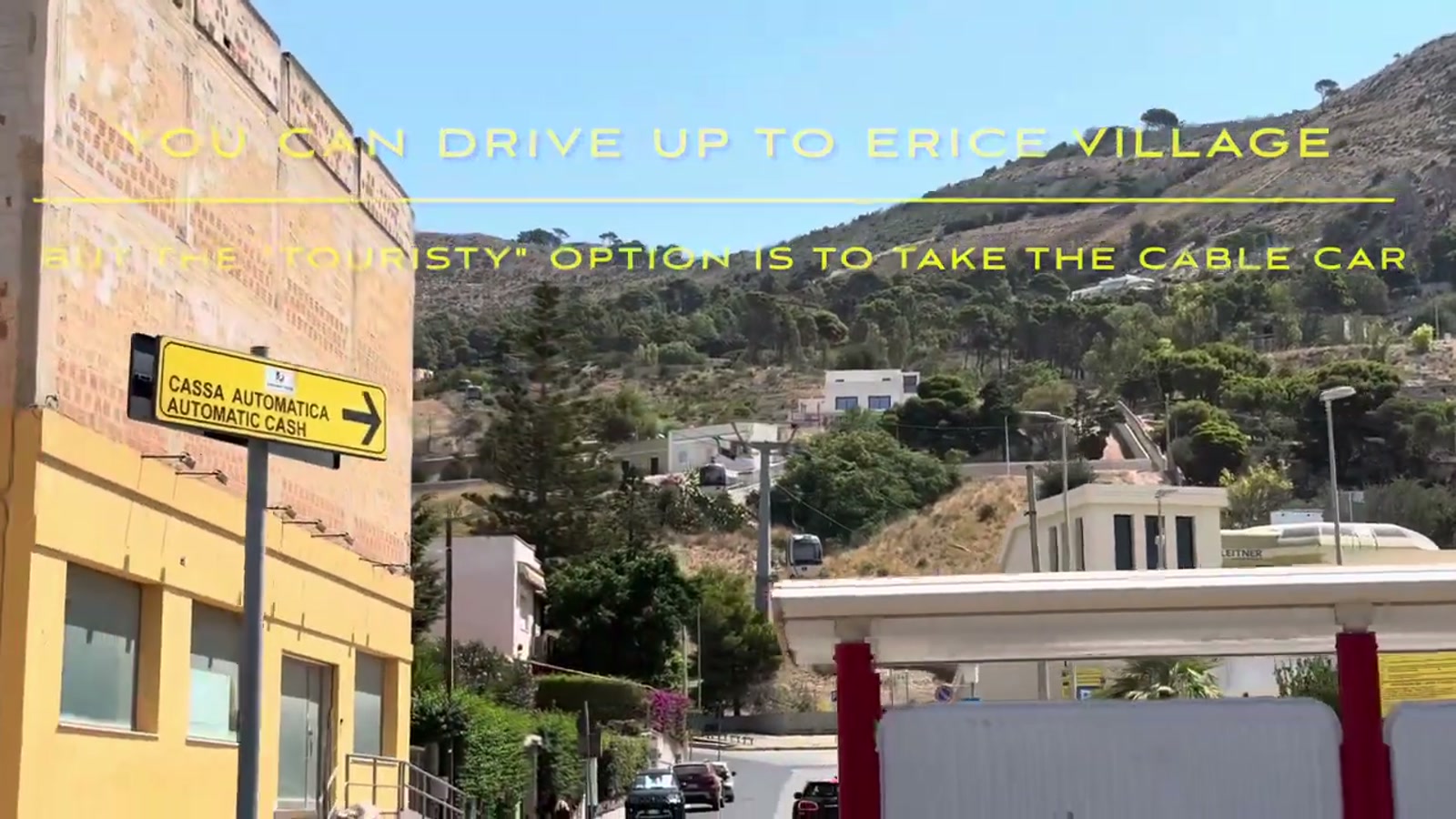
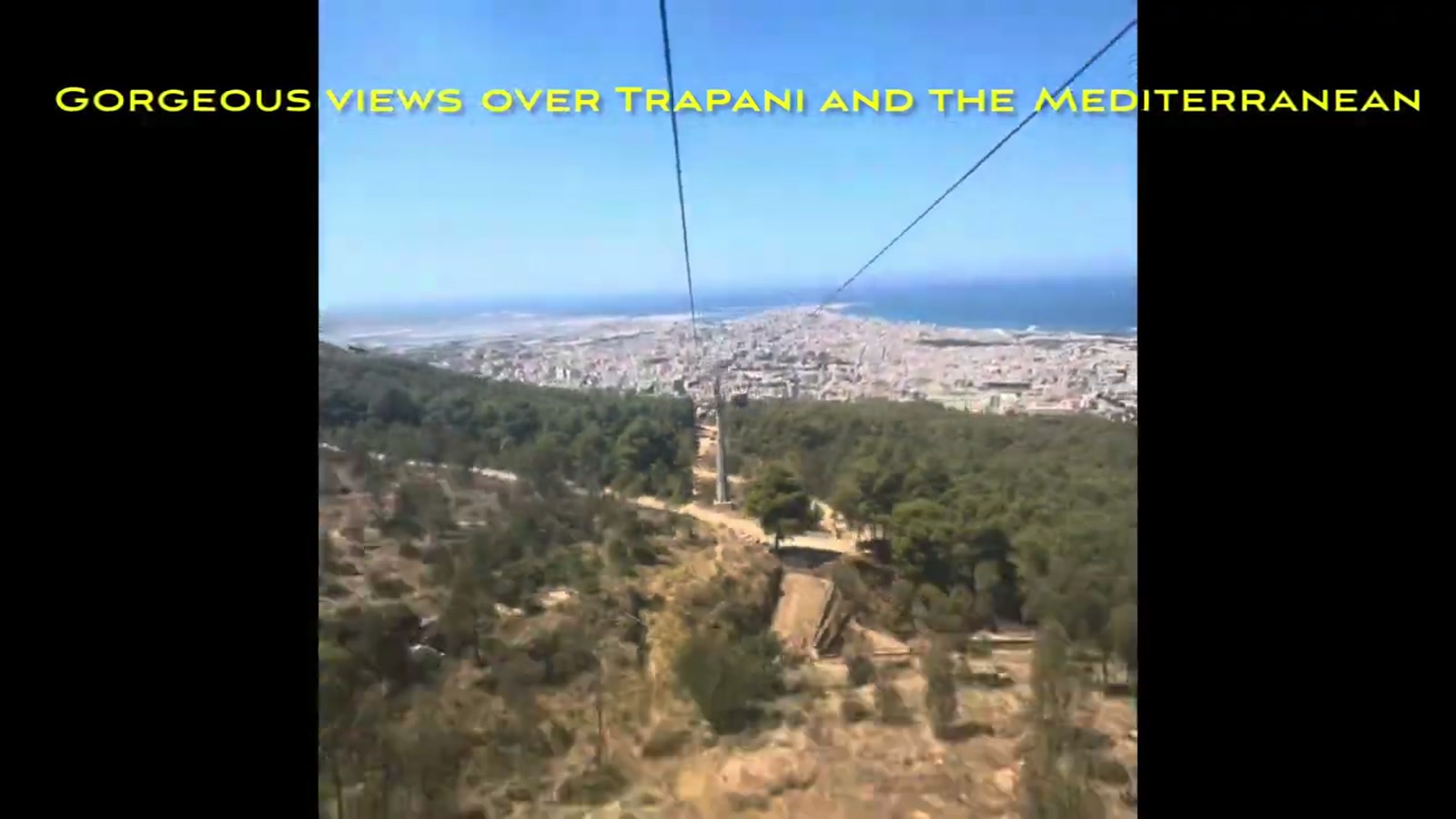
From the cable car, you get gorgeous views over Trapani and the Mediterranean on the way up.
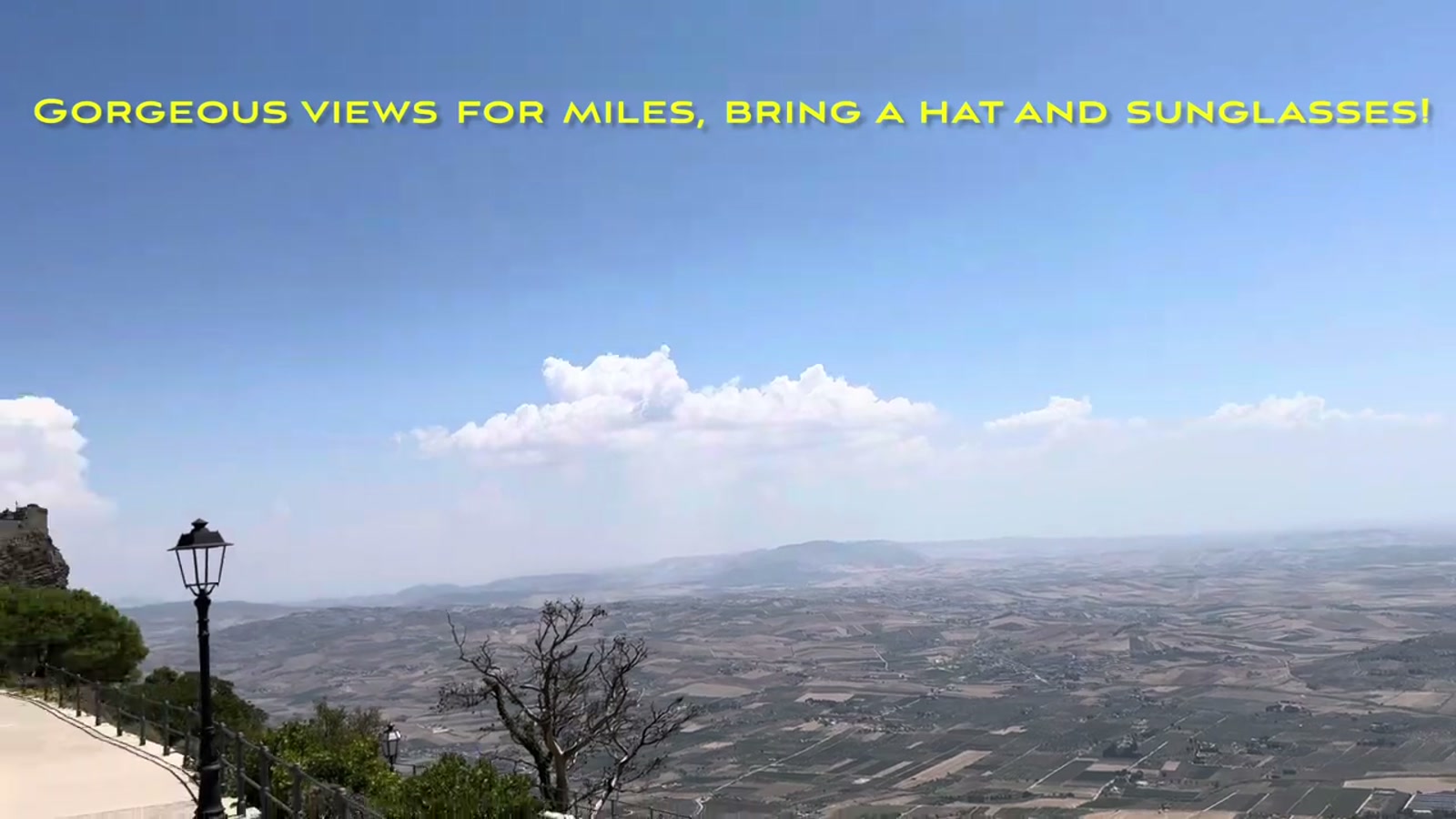
Once you’re up top, plan on walking the whole village - it’s compact, but the views are for miles, so bring a hat and sunglasses.
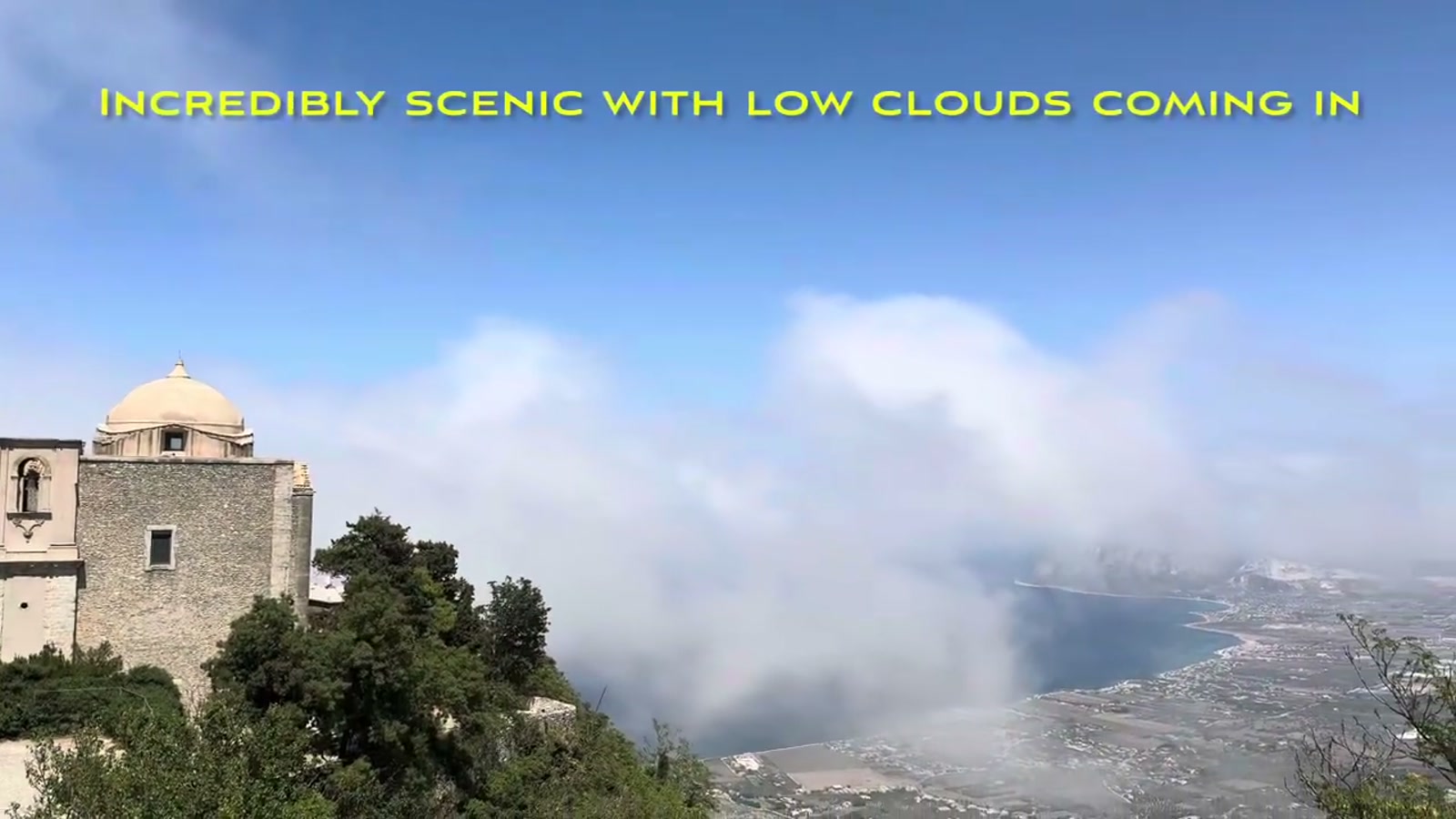
One thing to know: Erice sits high enough that it’s incredibly scenic with low clouds rolling in and out through the day, which can change the whole mood of your visit in minutes.
Day 3: Agrigento and the Valley of the Temples
From the Palermo/Erice side of the island, it’s a multi-hour drive south to Agrigento - budget most of a driving day for this leg.
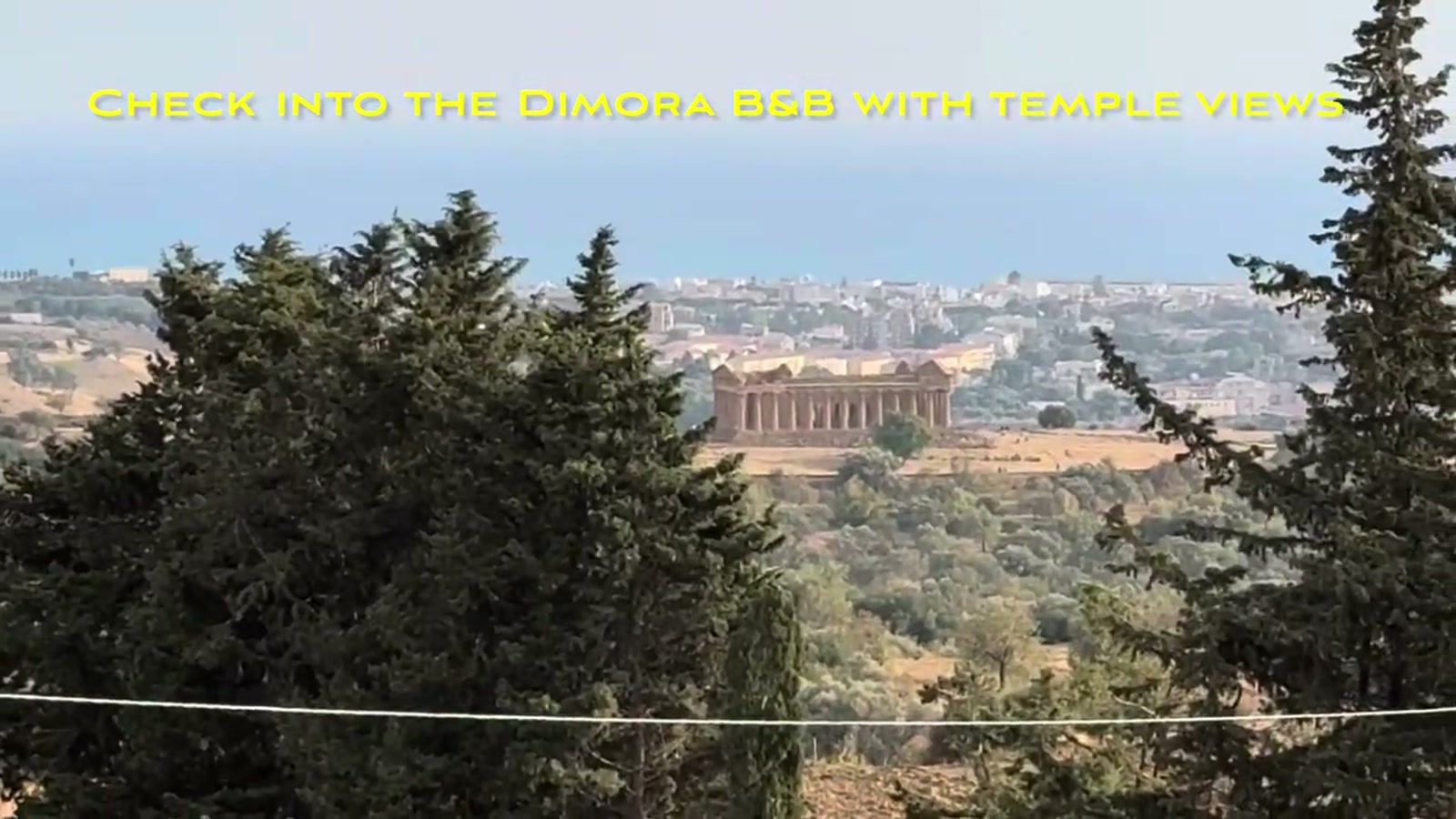
We checked into the Dimora B&B, which has direct temple views from the property itself - a genuinely special place to stay given what’s next door.
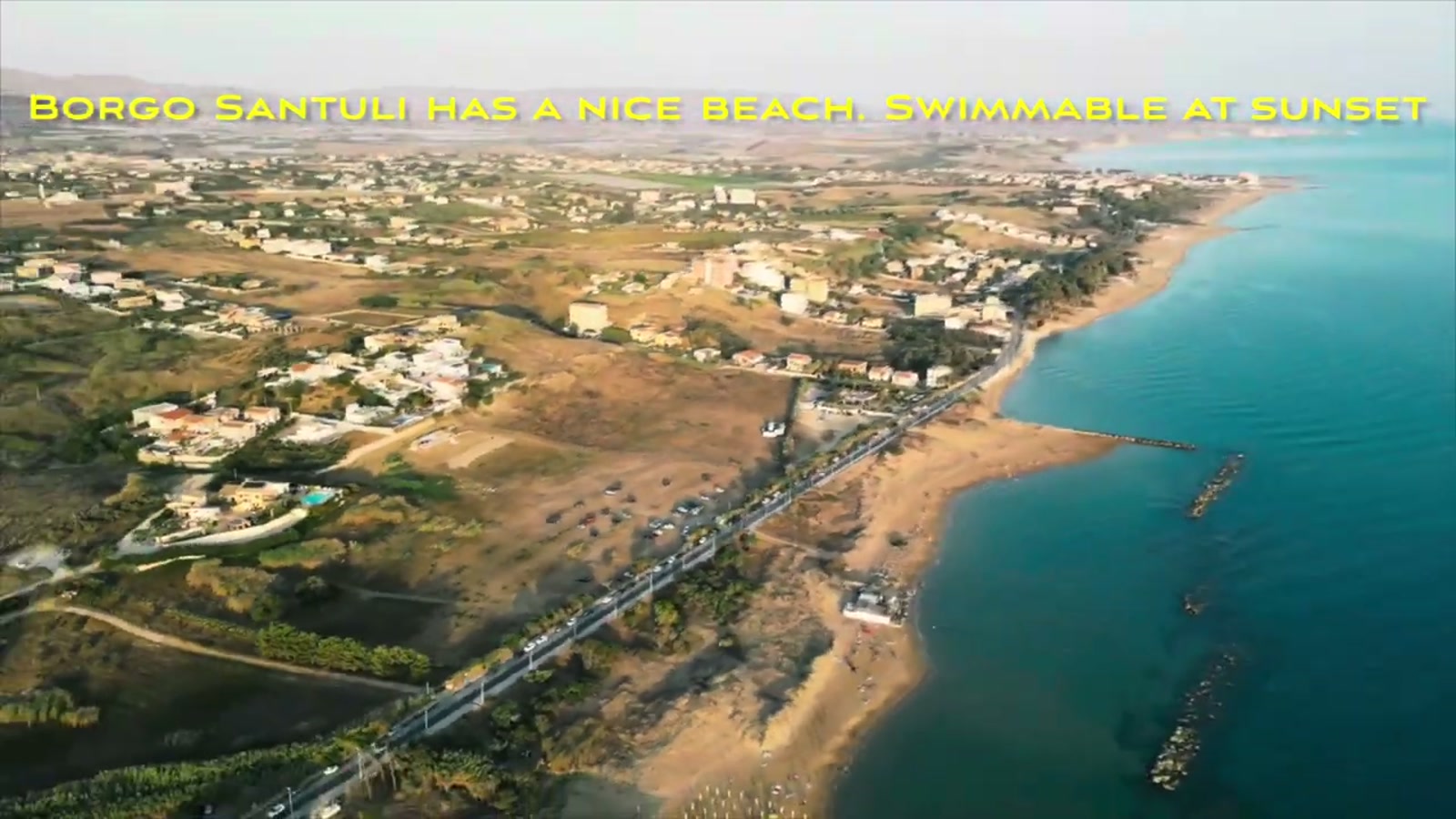
Nearby, Borgo Santuli has a nice beach that’s swimmable at sunset if you want to cool off before or after the temples.
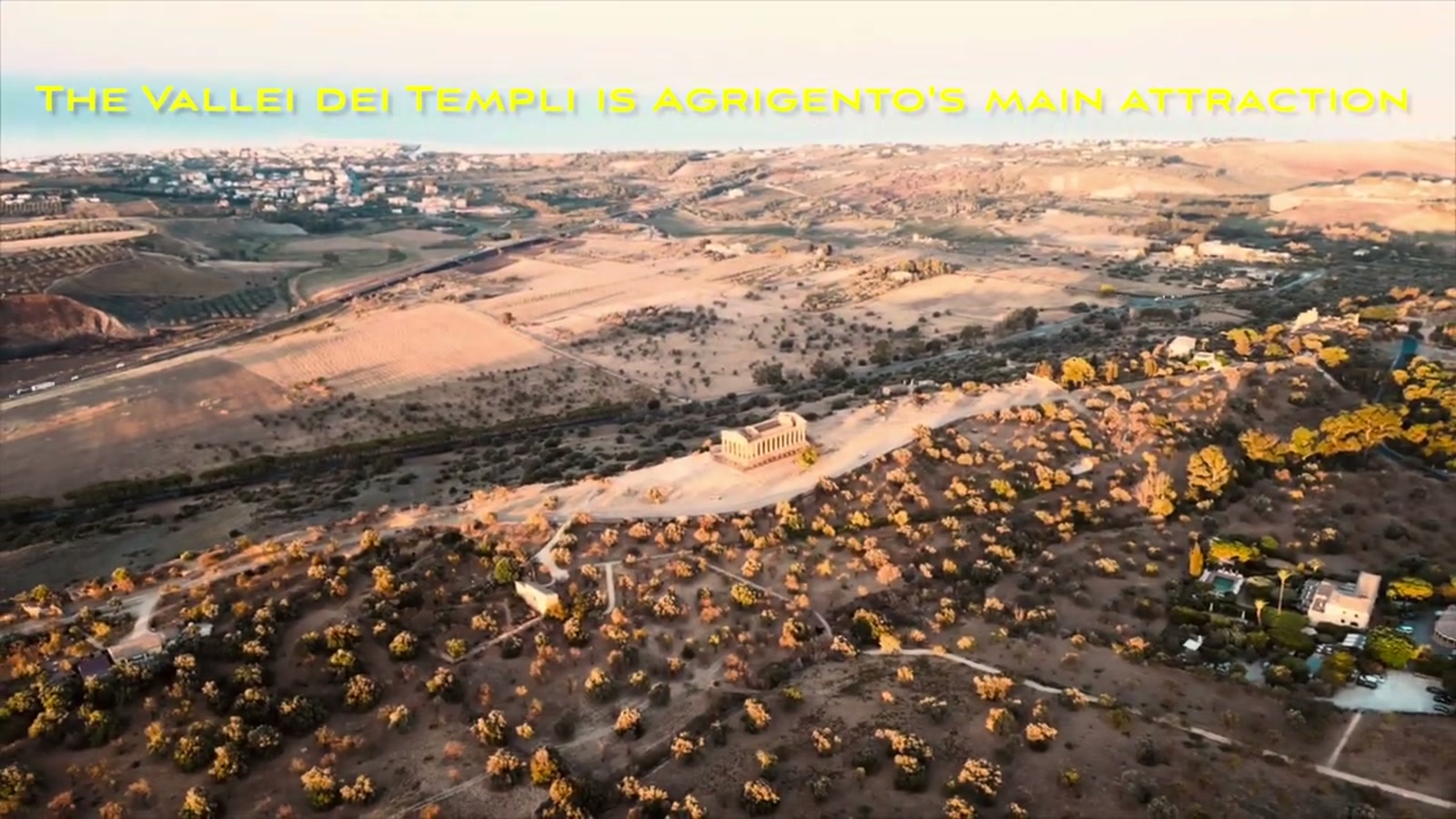
The Valle dei Templi is Agrigento’s main attraction, and it deserves the morning or a full half-day. Plan to walk the whole site rather than just seeing it from a viewpoint.
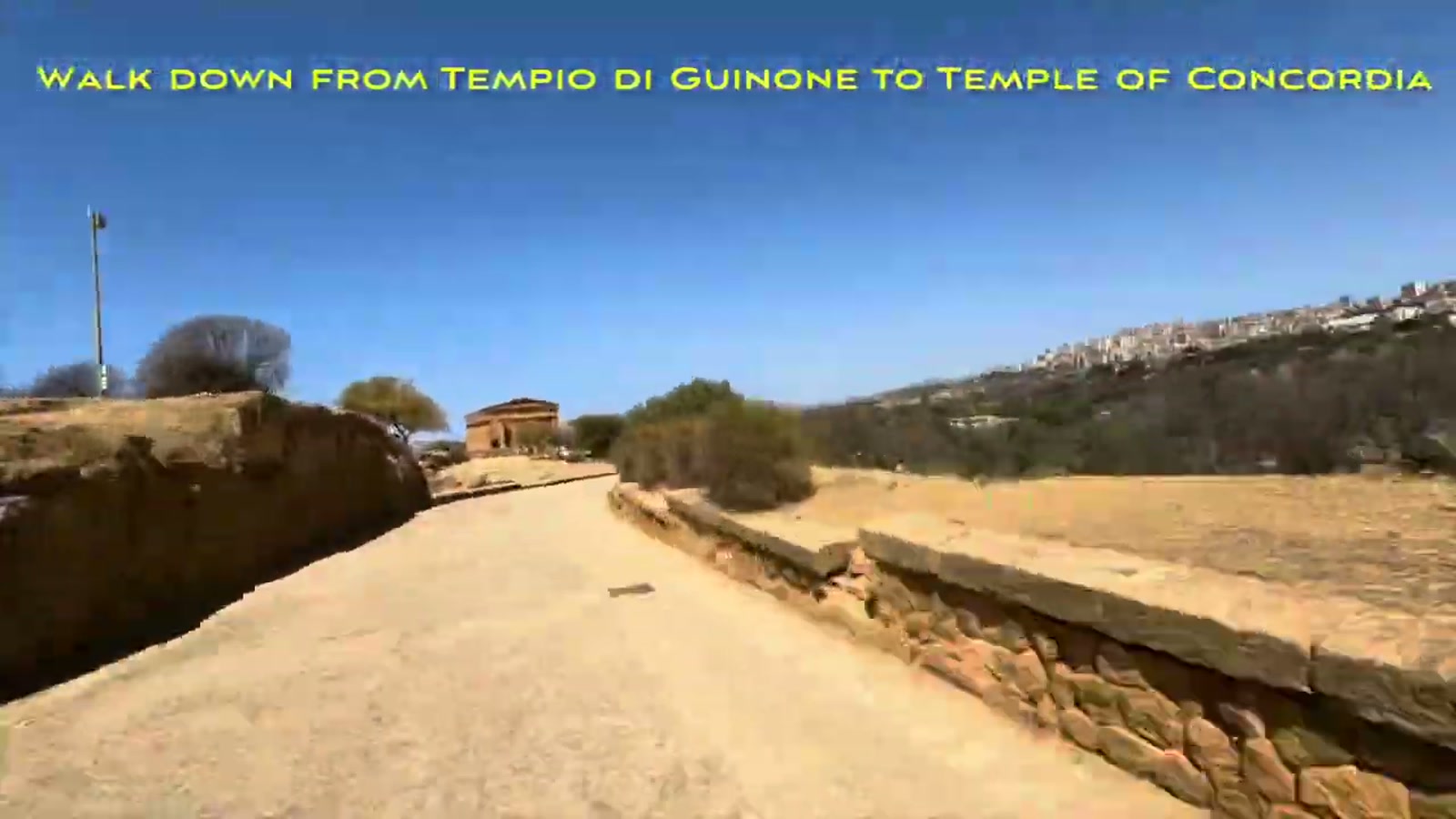
The classic route is to walk down from the Tempio di Giunone to the Temple of Concordia, one of the best-preserved Greek temples anywhere.
Just below Concordia, don’t miss the famous fallen Icarus - a striking bronze statue lying in the dirt in front of the temple.
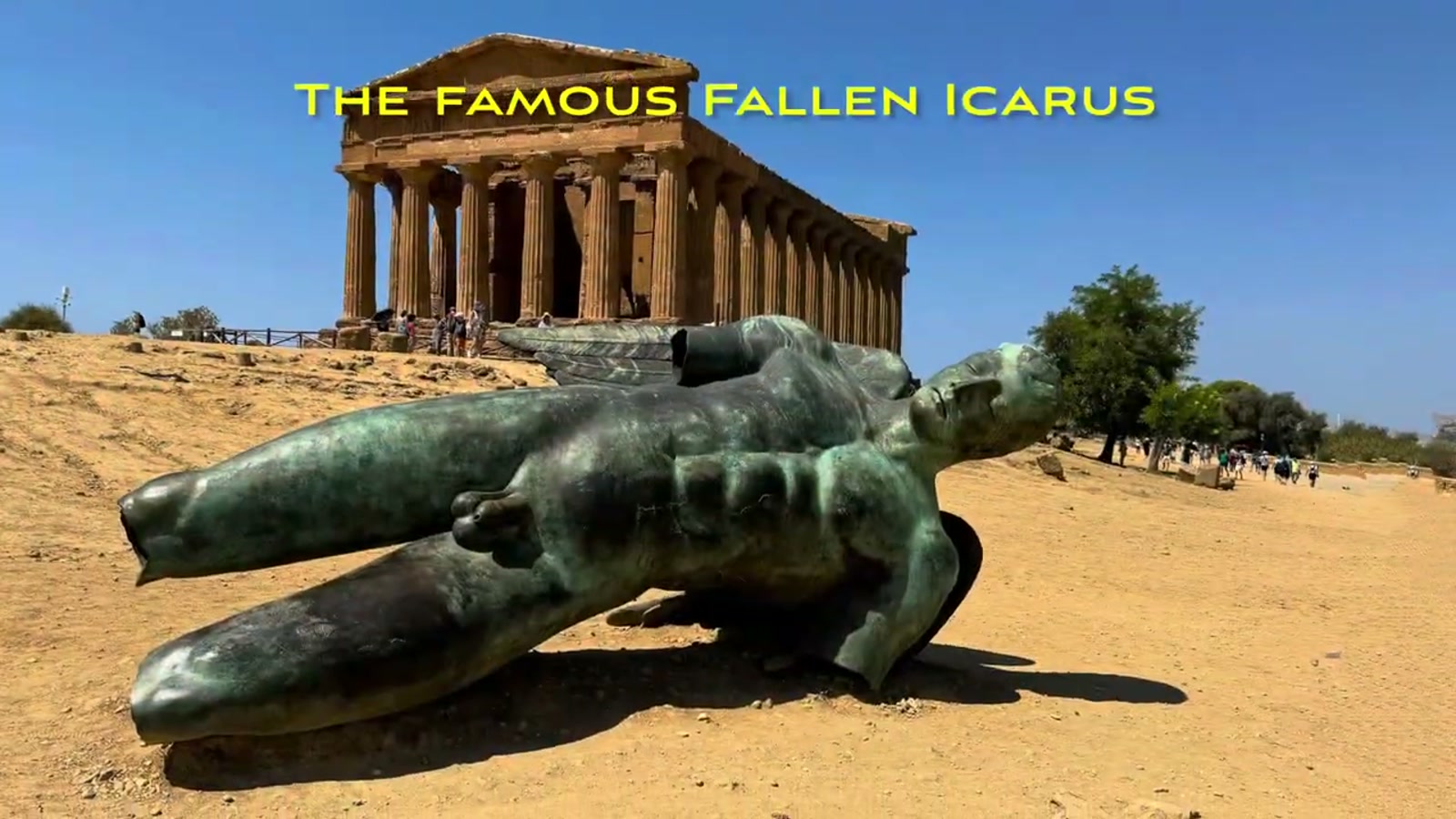
Finish the site by continuing down to the Temple of Heracles, where you’ll exit back to the parking area.
Day 3 (evening): On to Siracusa, via Modica
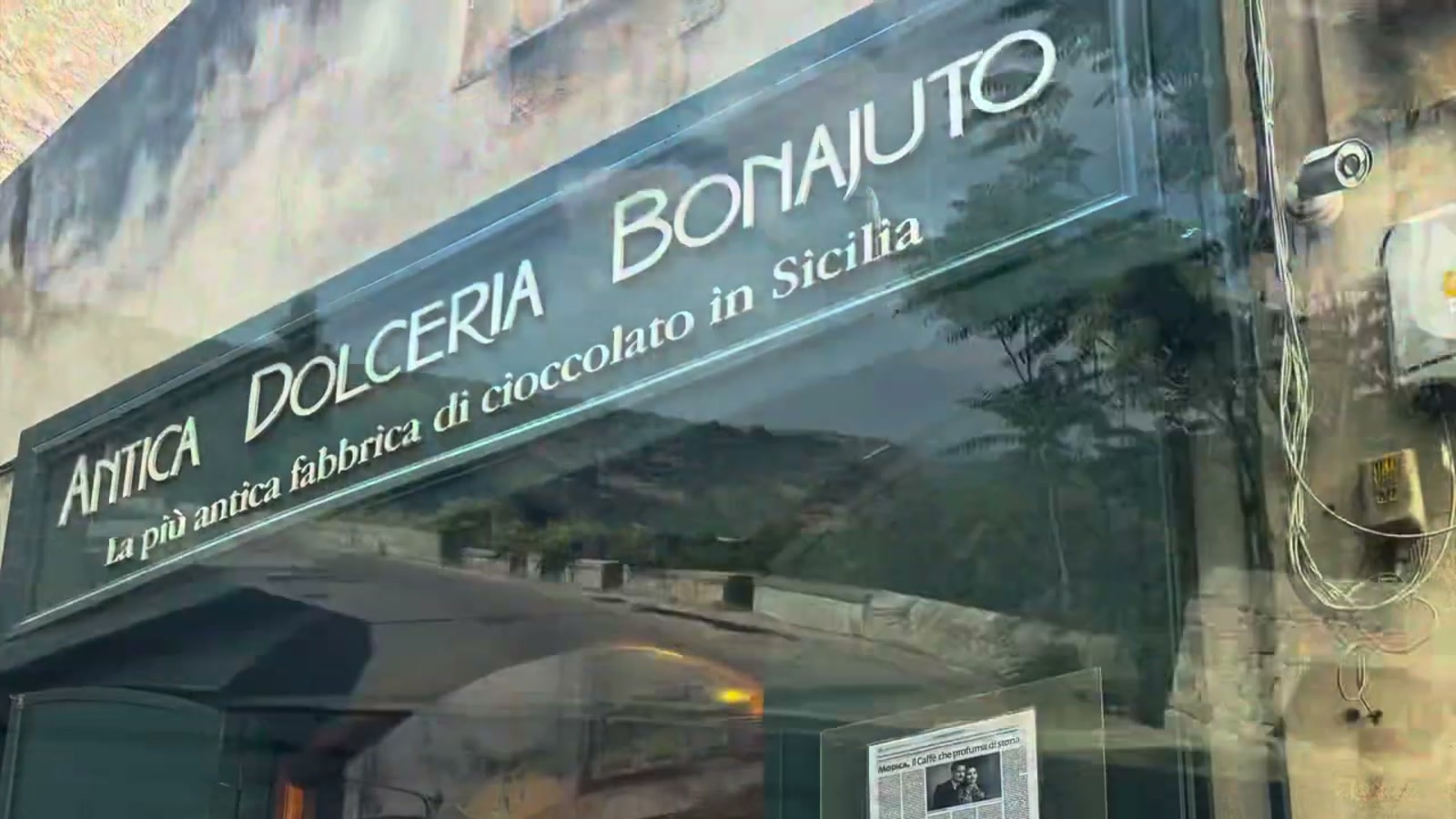
The drive from Agrigento to Siracusa is a long one, so break it up with lunch around Ragusa or San Giovanni. If your route passes through Modica, stop at the town’s famous chocolate shop, Antica Dolceria Bonajuto - it’s the oldest chocolate factory in Sicily and well worth the detour.
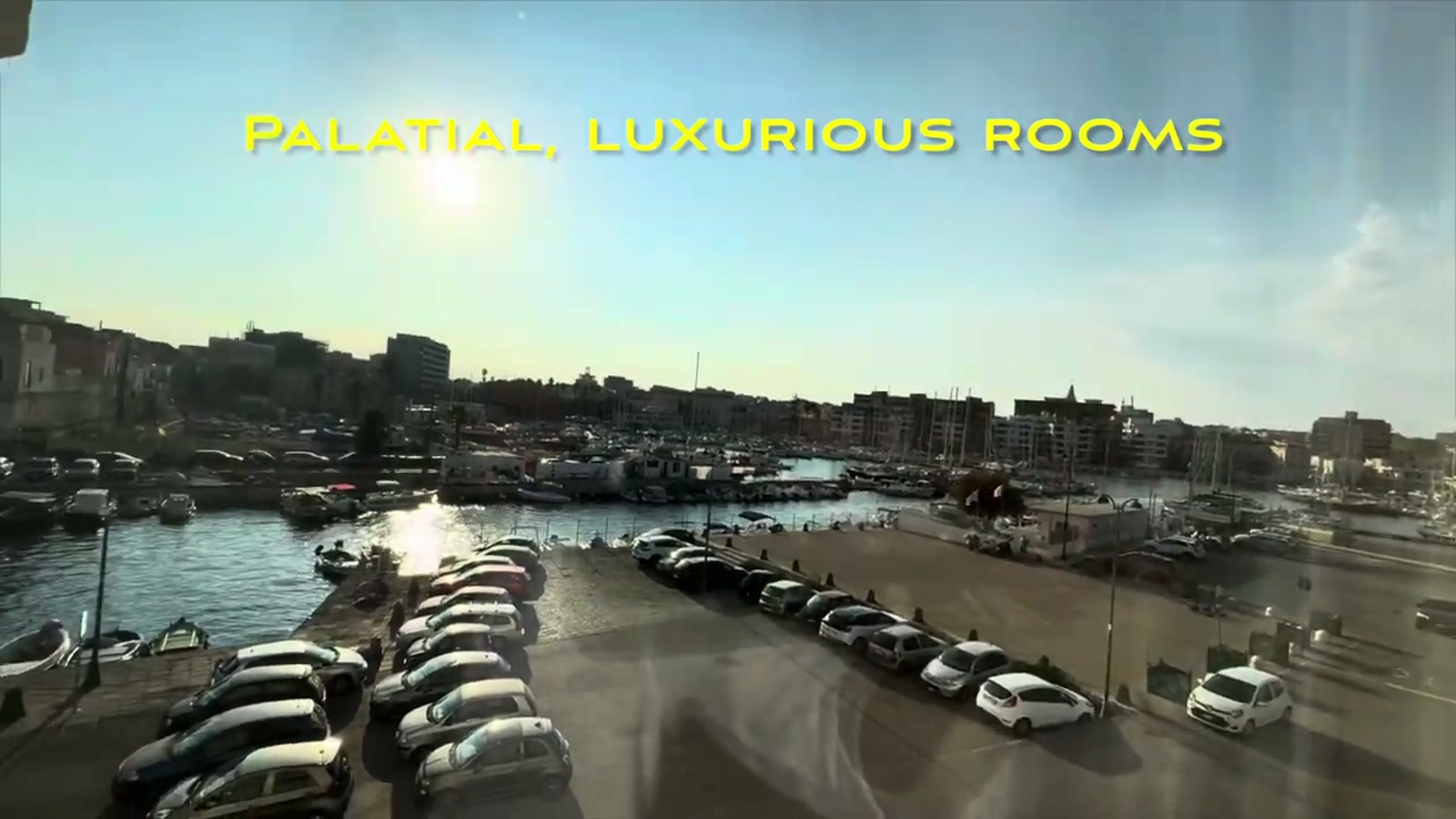
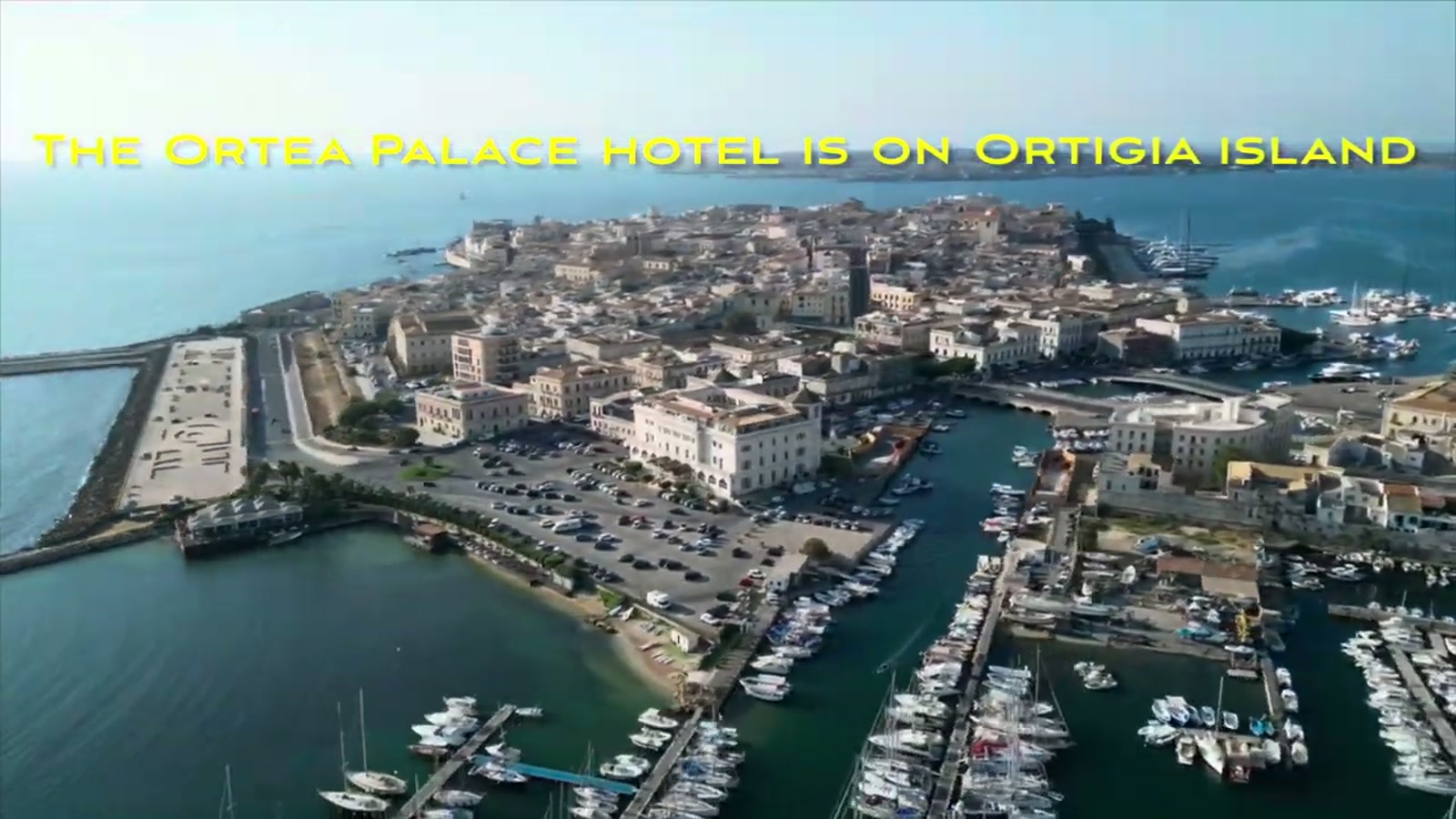
We stayed at the Ortea Palace Hotel, on Ortigia Island - the historic heart of Siracusa - in a palatial, luxurious room with a marina view.
Day 4: Siracusa and Ortigia
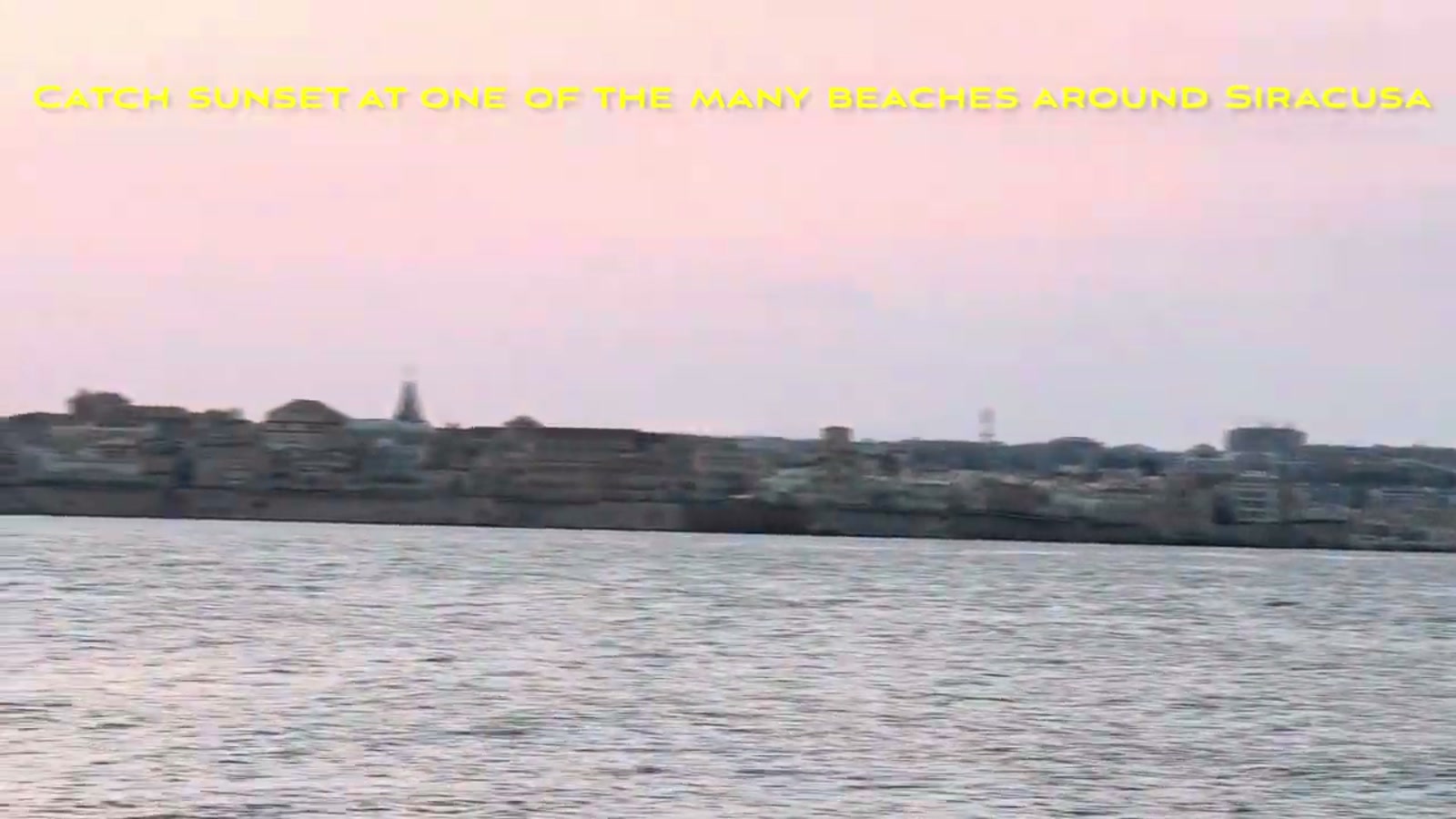
Siracusa is worth a proper day. Catch sunset at one of the many beaches around the city, then spend time wandering Ortigia, the small island that makes up the old town.
From above, you can really see why the Ortea Palace Hotel’s location on Ortigia Island is such a good base - it’s surrounded by water on nearly every side.
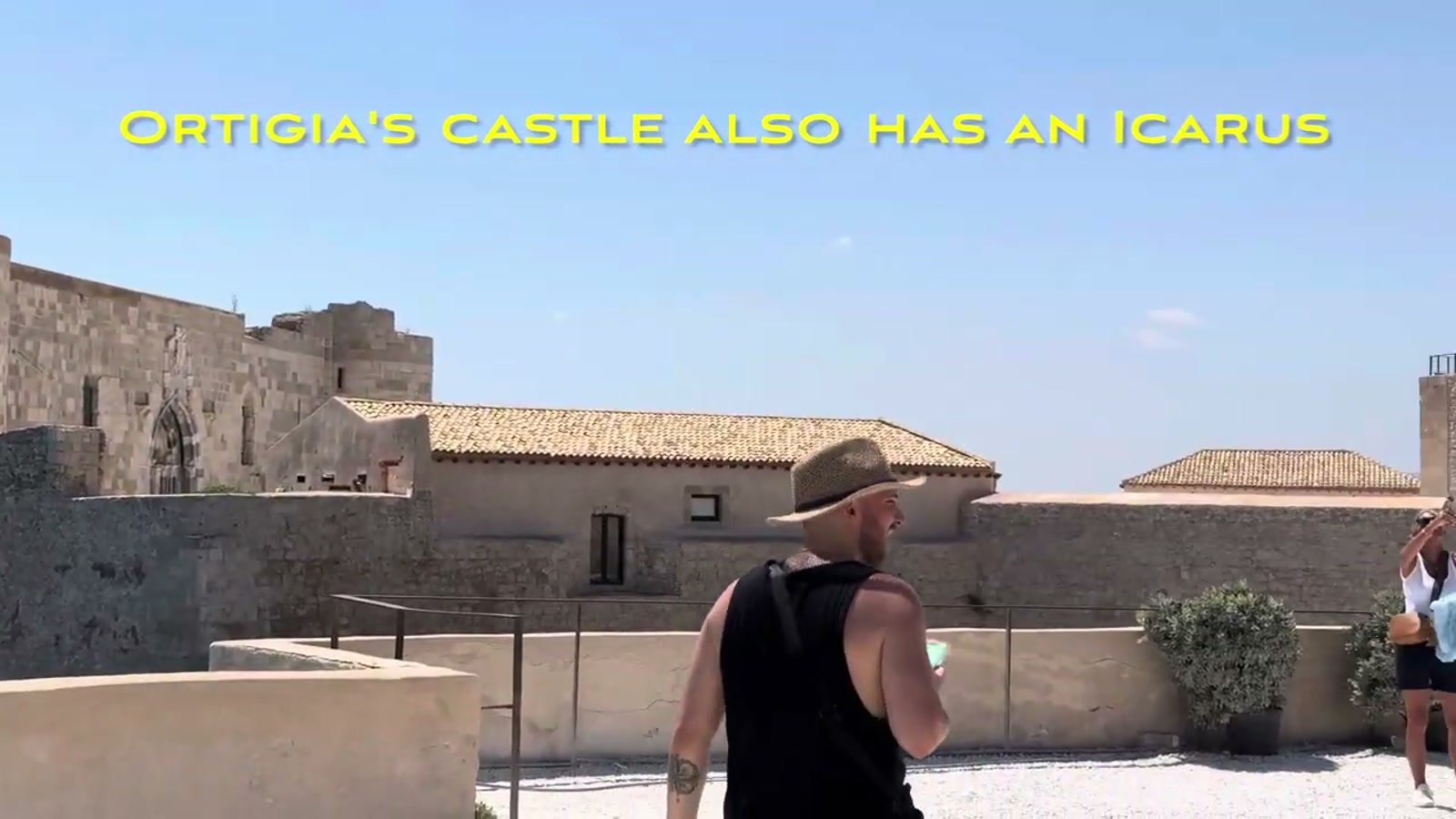
At the tip of the island, Ortigia’s castle (Castello Maniace) also has its own Icarus statue in the courtyard, echoing the one in Agrigento.
Day 5: Mount Etna and Taormina
From Siracusa, head out to Mount Etna, towering over Sicily - it’s the largest active volcano in Europe, and driving up its slopes is a highlight on its own.
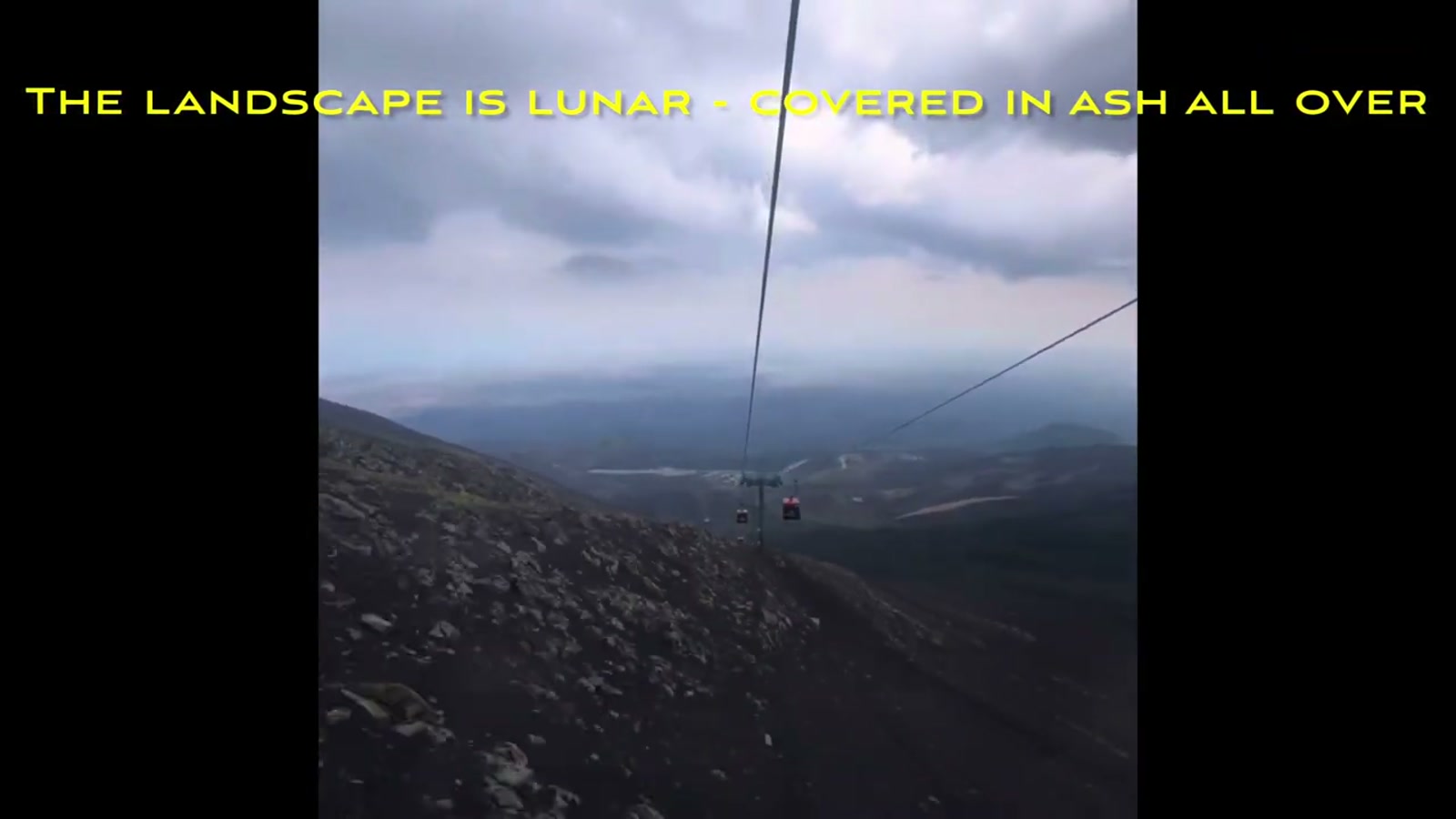
Buy your cable car (Funivia dell’Etna) tickets for the ride up toward the summit craters. As you climb, the landscape turns lunar - covered in ash all over, a striking contrast to the green coastline below.
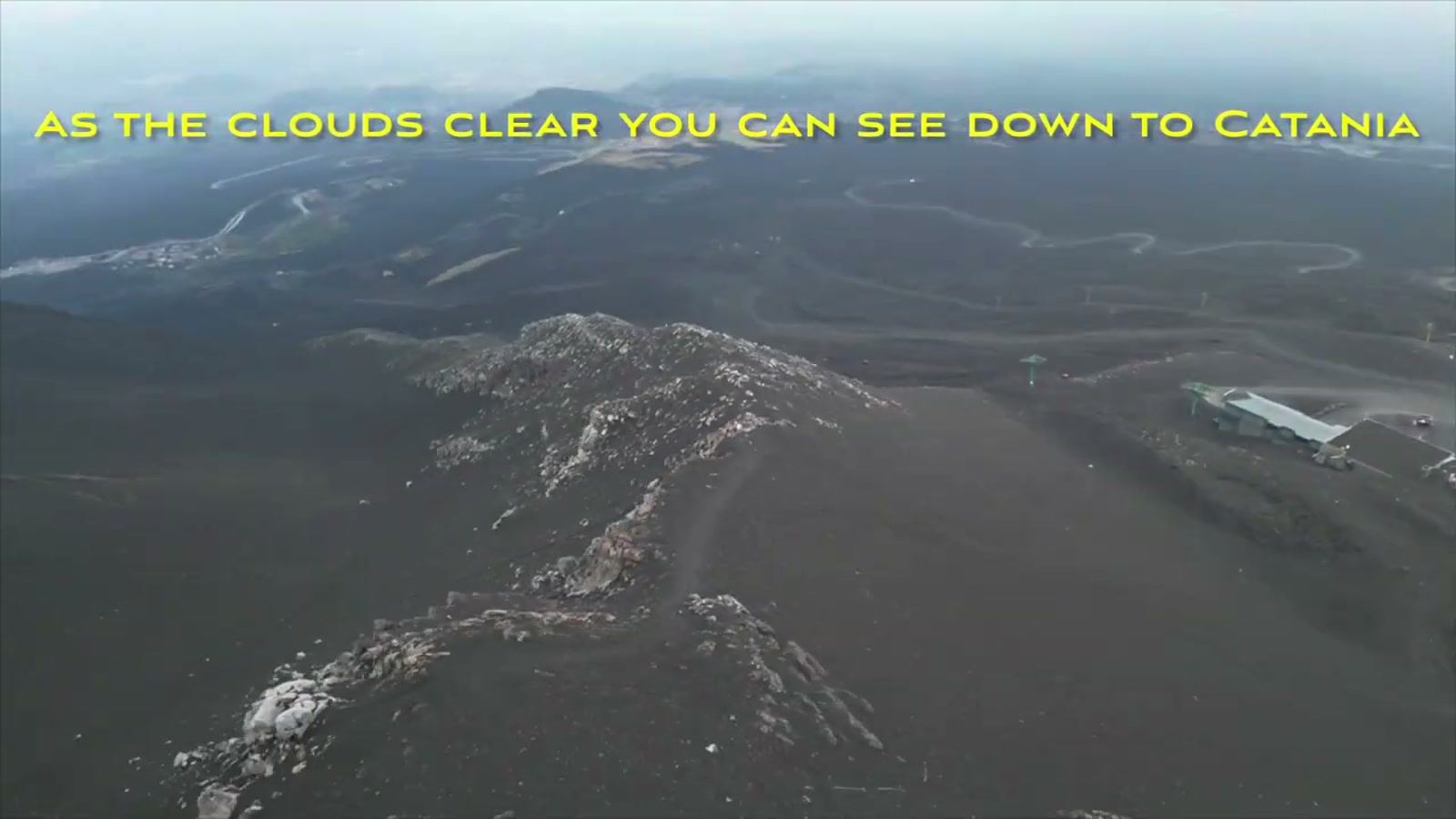
Etna is often wrapped in cloud, but as the clouds clear you can see all the way down to Catania on the coast.
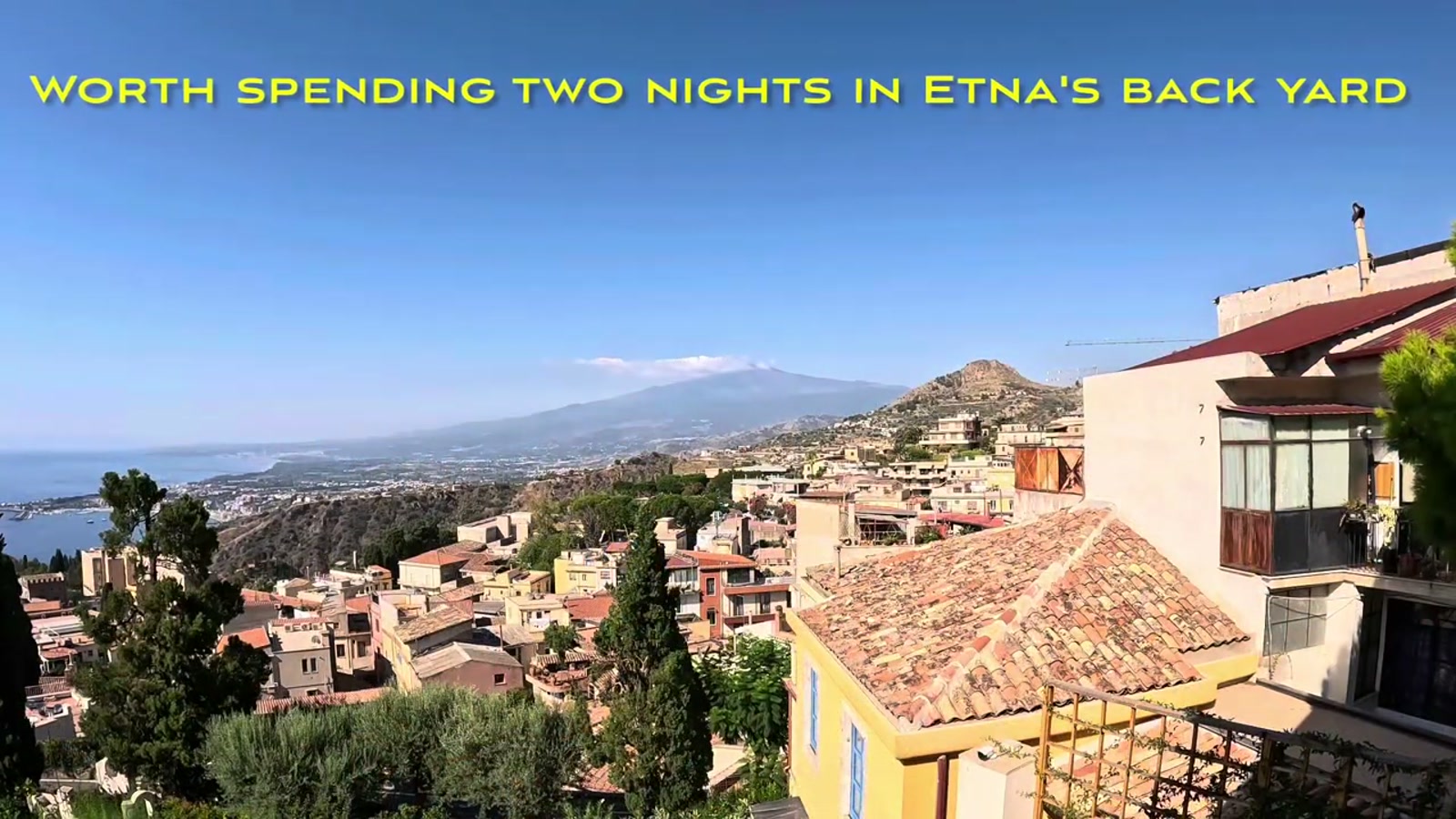
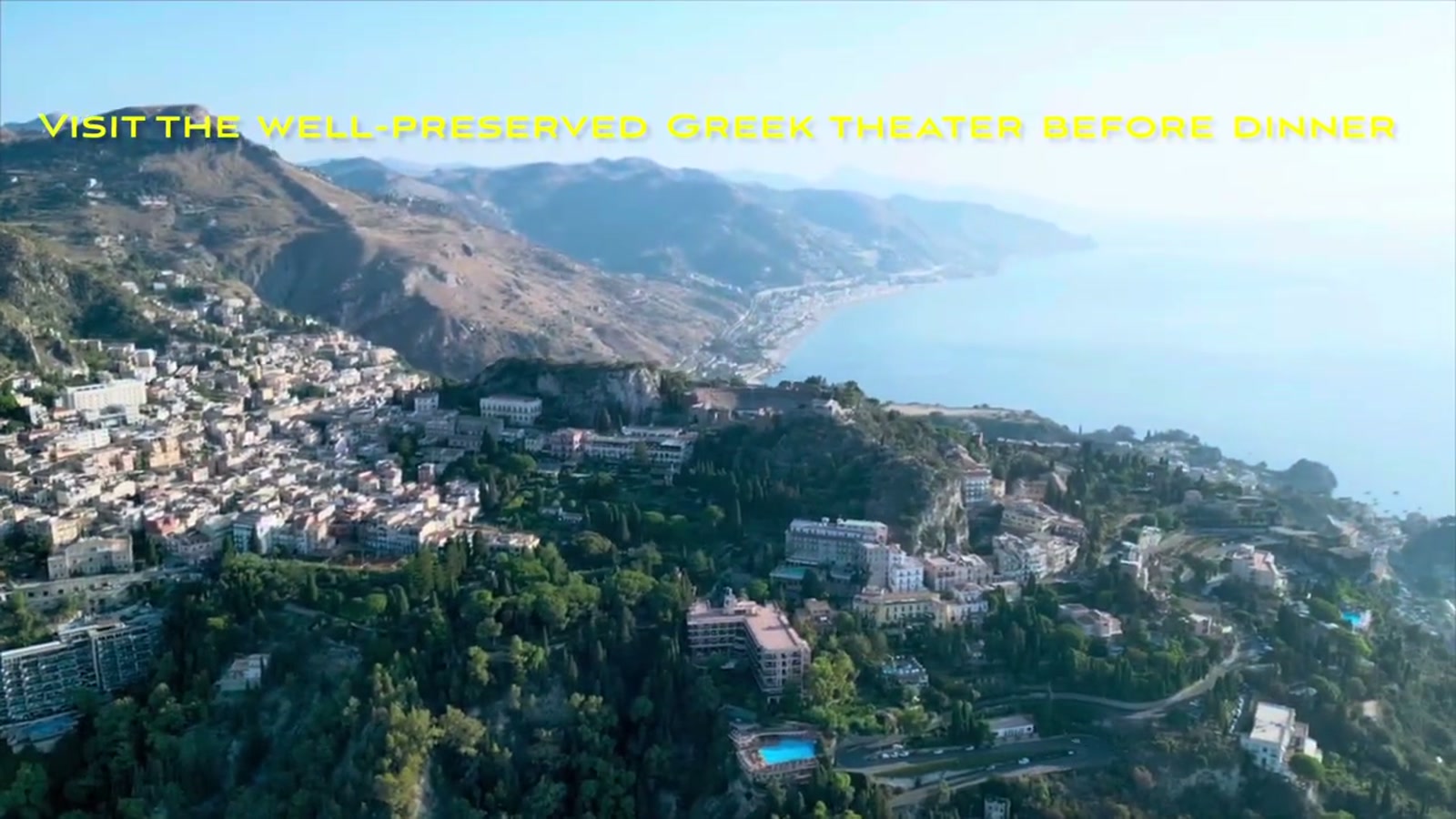
Descend Etna and head north to Taormina - our tip from the trip is that it’s worth spending two nights in Etna’s backyard here rather than rushing through, even on a fast-paced itinerary like this one. Taormina’s rooftops look right across the bay at Etna itself.
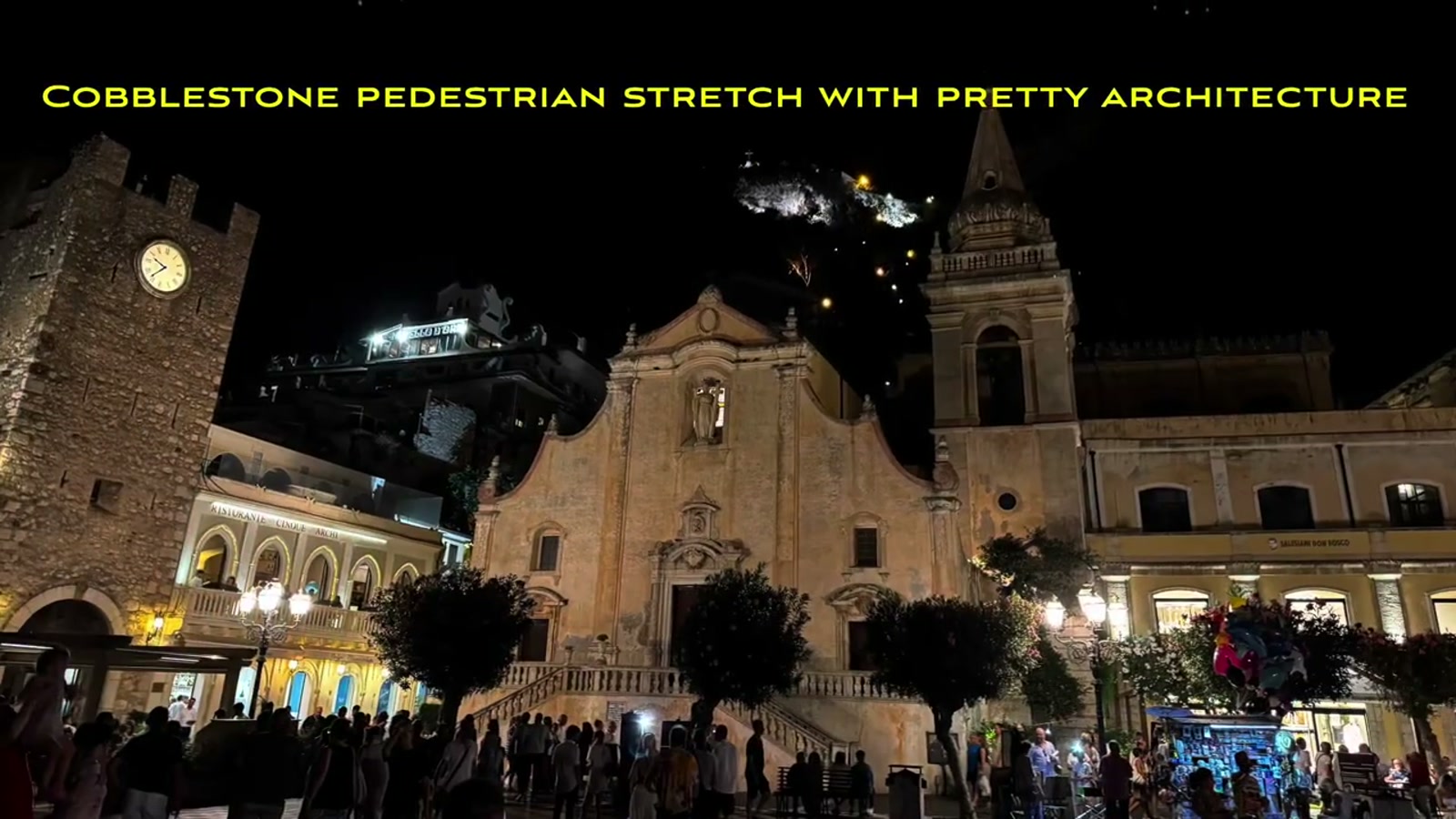
In the evening, Taormina’s cobblestone pedestrian stretch has genuinely pretty architecture and lots of great restaurants to choose from - we happened to catch fireworks over the main piazza.
In Taormina we stayed at Casa Cuseni - the luxury hotel made famous by White Lotus.
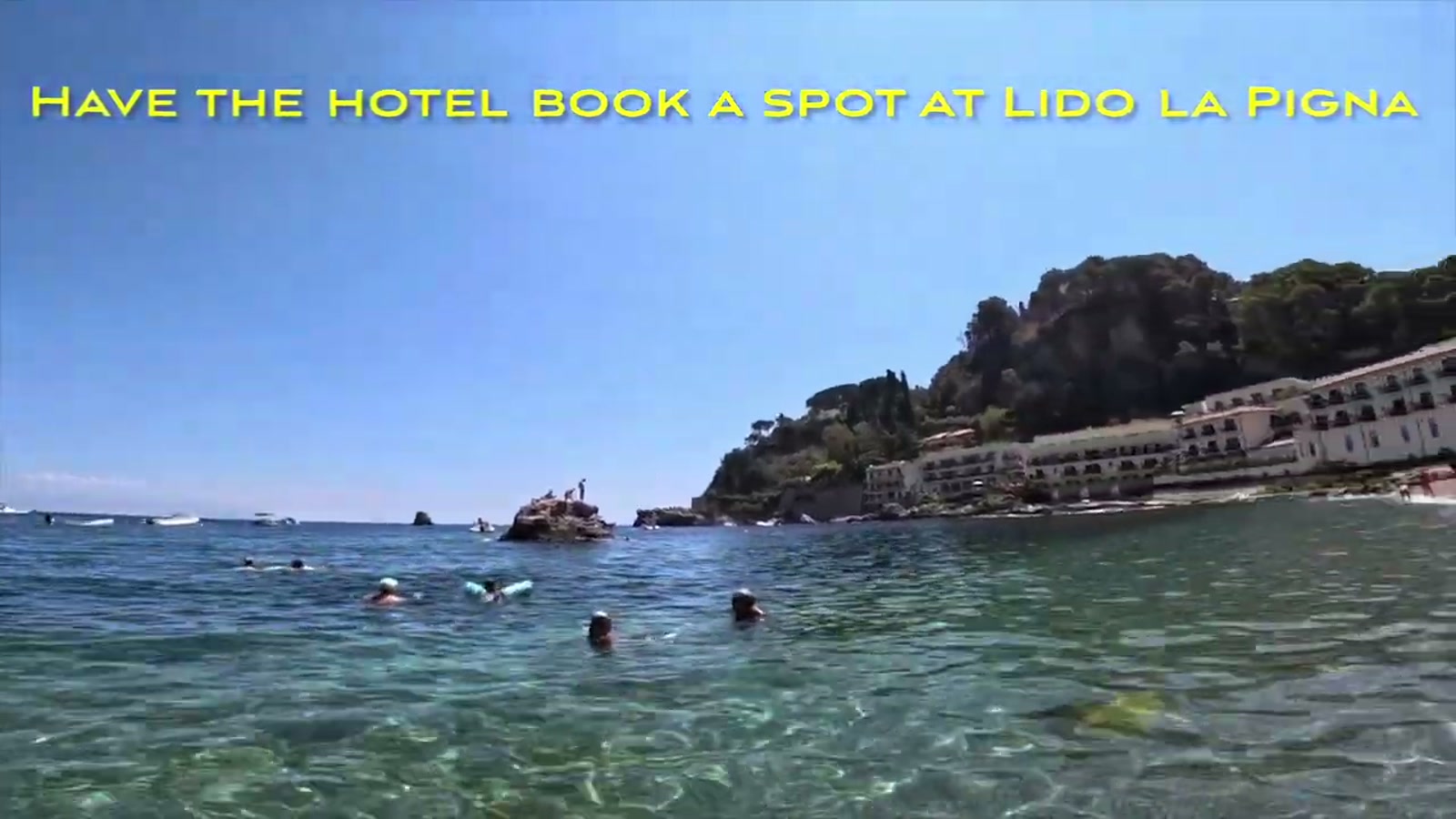
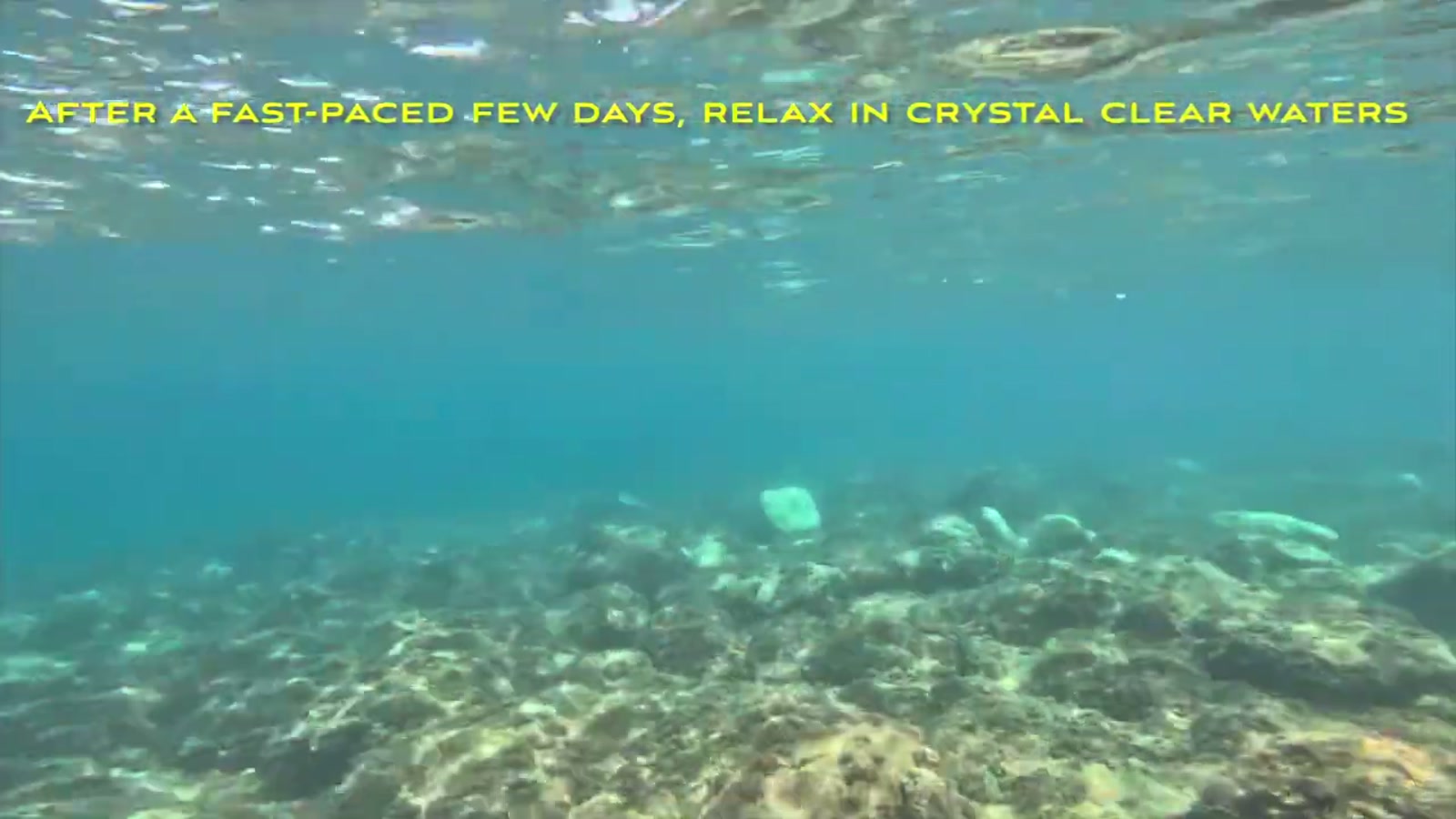
For beach time, have your hotel book you a spot at Lido La Pigna - a beach club with a cable car down from town and a shuttle to bring you back up. After a fast-paced few days, this is where you relax in crystal-clear water.
Before dinner, visit Taormina’s well-preserved Greek theater - the views from the seats, looking out over the coastline toward Etna, are some of the best on the whole trip.
Wrapping Up
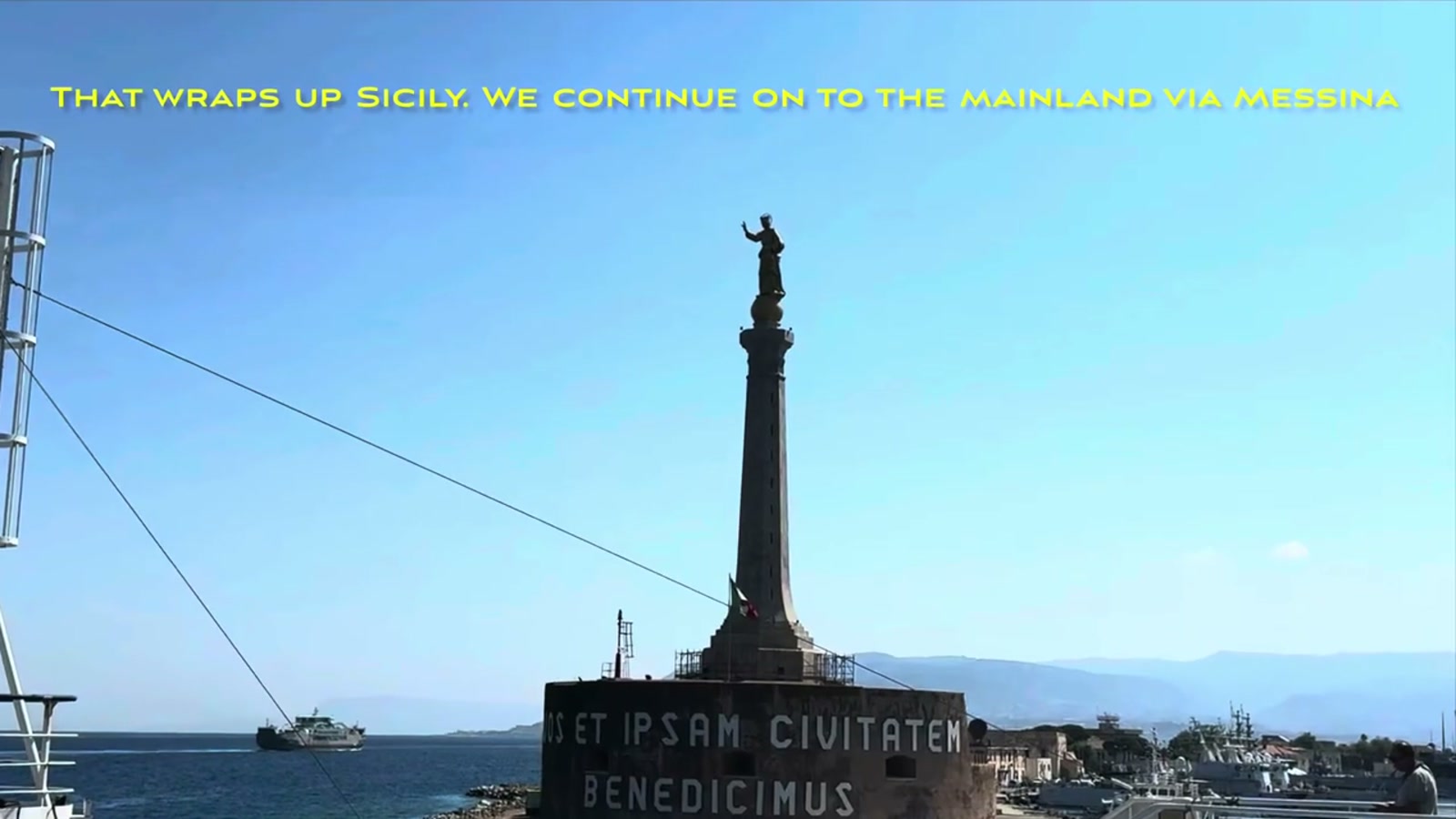
That’s Sicily in 5 fast-paced days. We continued on to the Italian mainland via the ferry crossing at Messina, but Sicily alone easily justifies the whole trip.
If You’re Planning This Yourself
A few practical notes for anyone building a similar route:
- Rent a car. This itinerary only works with your own wheels - Monreale, Erice, Agrigento, and Etna are all much harder to reach on public transport on this kind of timeline.
- Book cable car tickets online in advance for both Erice (Funivia Erice) and Etna (Funivia dell’Etna) to skip the lines.
- This pace is genuinely fast. If you have more than 5 days, our biggest recommendation is to add a second night in Taormina rather than compressing it into one.
- Bring a hat and sunglasses for Erice, and pack for both heat (the temples, the coast) and cooler, windier conditions (Etna’s higher elevations).